
Your gut and immune system are intertwined
Everyone recognizes that we need to have a well-functioning immune system to improve our ability to fight the coronavirus (SARS-CoV-2), but little discussion has occurred on the role of good gut health in this pandemic. Over 75% of our immune system is housed in our gut with a network of lymphatic tissue and trillions of microbes that protect us from environmental invaders. Research indicates the more diverse our gut microbiome, the better our immune system functions and the less likely we are to have chronic diseases, such as diabetes and heart disease, neurological disorders, or autoimmune disease. All of this maladies can be related to imbalances in the gut microbiome [1][2][3][4]. In addition, our gut lining functions as a barrier to protect our body from the environment; however, if this lining is compromised (a.k.a leaky gut), then toxins, pathogens, and undigested food can leak into surrounding tissue and trigger local or systematic inflammation. If this becomes chronic inflammation, then we may have abnormal functioning of the immune system, which can jeopardize our health and result in autoimmune disease [5] or metabolic syndrome [6]. This intestinal permeability can also lead to changes in our gut microbiome, which again is the cornerstone to a healthy immune system.
Good gut health may prevent a cytokine storm
One of the major causes of death from COVID-19 is due to a rampant immune response—a cytokine storm [7][8]. With a typical infection signaling molecules, called cytokines, are released to coordinate the complex response of the immune system. This response includes a fight against invaders through the release of cytotoxins and the production of antibodies to neutralize any enemies that return in the future. However, in an aberrant immune response, a cytokine storm can result in our immune system destroying its own tissue, which can lead to death. Research has shown that a healthy gut microbiome plays an important role in modulating the immune response and the release of cytokines through the production of short-chain fatty acids [9]. Thus, it is logical to assume that good gut health may improve our outcome if infected by the coronavirus (SARS-CoV-2).
The gut is a target for the coronavirus (SARS-CoV-2)
Good gut health is important not only for an optimal immune system, but also as a blockade to the virus entering the body. Like the lungs, the gut is a target for the virus. The lungs, stomach, and small intestine all have cells covered with ACE-2 receptors that this virus can bind to and use as a pathway to invade the body [10]. Stomach acid is often thought to be one of the first lines of defense for harmful microbes; however, if your stomach acid is reduced (common when we are stressed out!), then these normal protections may not be able to kill harmful microorganisms [11]. And, if you have intestinal permeability, then the virus may enter the body even more easily through vulnerabilities in the gut’s protective layer as suggested by gastroenterologist Ken Brown during a March 2020 podcast. He also stated that 30% to 40% of people with the COVID-19 infection have contracted it through their gut. Once the virus has infected your digestive system it is likely to take longer to clear than the respiratory tract [12]. As a consequence, people may remain contagious longer than previously thought through an oral-fecal route.
Gastrointestinal symptoms of COVID-19
So how do you know if your digestive system has become infected? Worldwide, concerned people are assessing whether they have contracted the virus by looking for signs, such as fever, shortness of breath, or a cough. However, you may not exhibit any respiratory symptoms if your gastrointestinal tract is infected [12]. Common digestive symptoms may include diarrhea, nausea, vomiting, and/or abdominal discomfort [12][13].

Protect your gut from infection
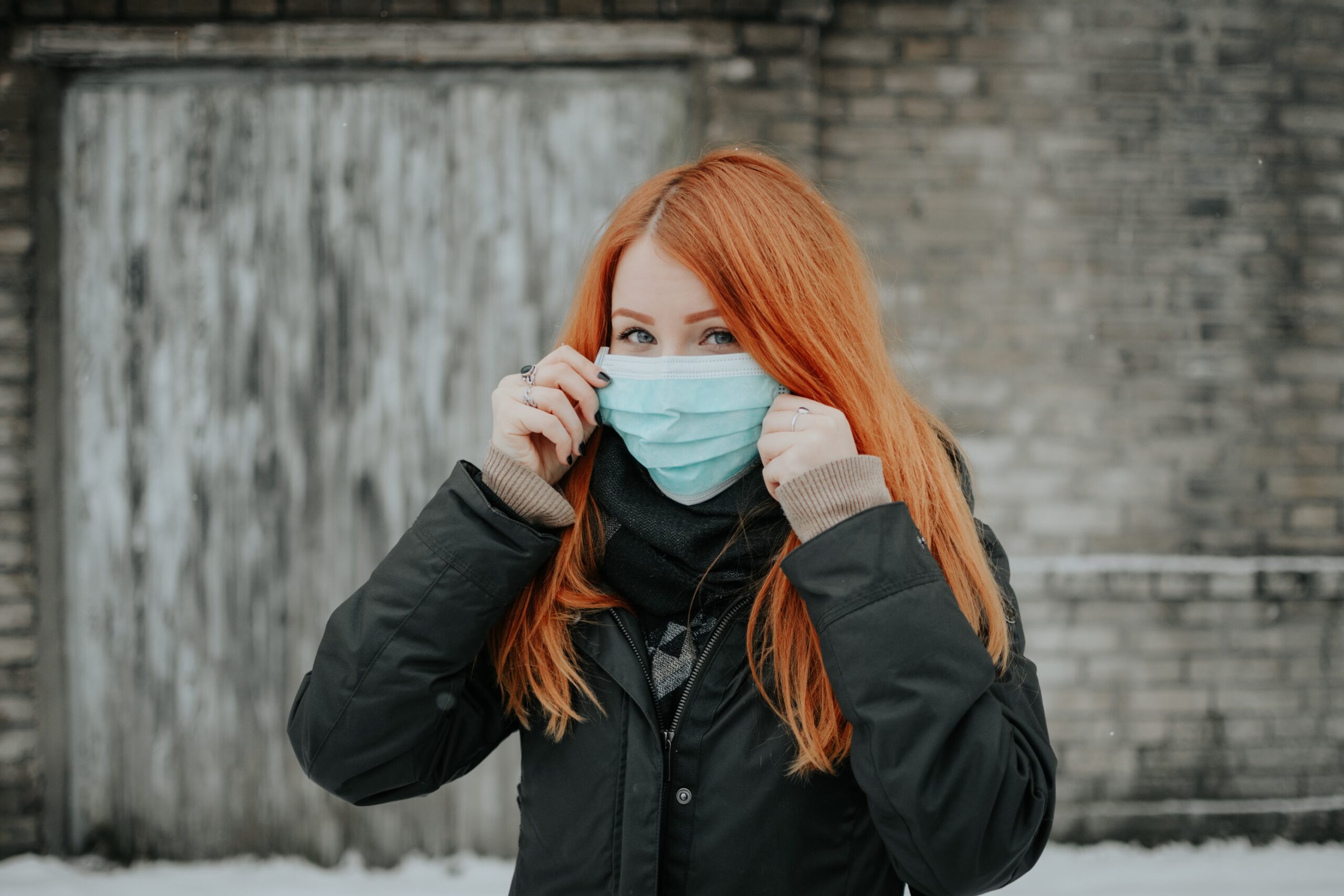
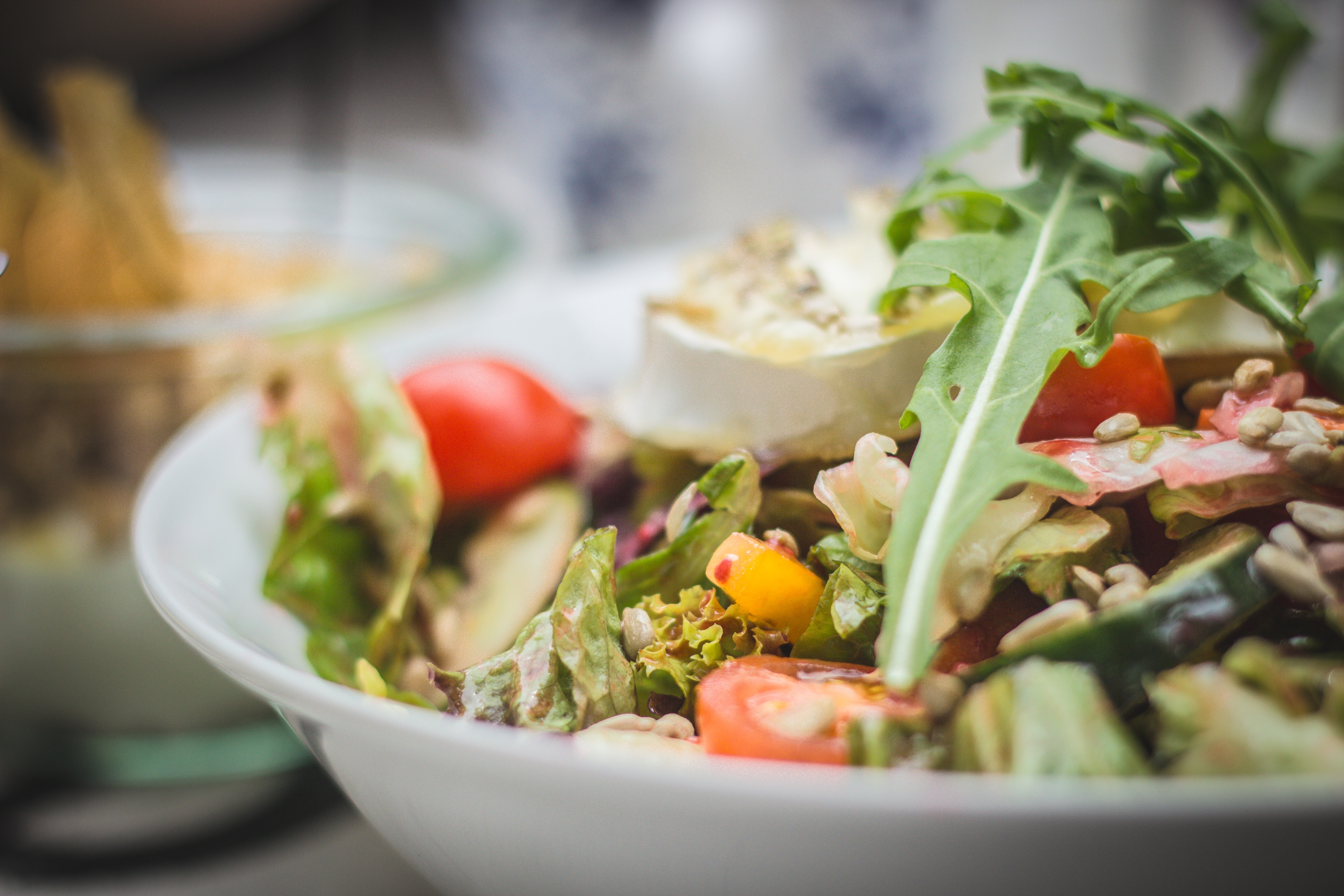
Social distancing and face masks may not alone protect us. Because we can contract the coronavirus (SARS-CoV-2) through our digestive system, we need to be extra vigilant to wash our hands in case other people are not! Remember to rub vigorously for 20 seconds (two Happy Birthday songs) and avoid touching your mouth. We also want to be mindful of what we eat. When we bring food home from the store, we should wash fruits and veggies and potentially place them in the fridge in separate containers for a couple of days to allow the virus time to degrade—unlike bacteria, viruses need a host to replicate, so their numbers decrease over time. We can also peel and/or cook veggies, if possible. If you order take-out, eat from trustworthy establishments that you suspect have good hygiene practices, and choose cooked foods over raw foods like salads.
Build resilience through good gut health
Nurture your gut microbiome
Eat an anti-inflammatory, nutrient-dense diet with a wide-variety of healthy carbohydrates. Diet is one of the most important mechanisms to increase the diversity of your gut microbiome. Consume fermented foods or probiotics and include prebiotic foods, such as plantains and potatoes. Learn more through my e-book, Building Your Best Fit Diet.

Prevent and repair leaky gut
Drink bone broth or add collagen to your smoothies to help maintain your intestinal lining and repair leaky gut. In addition, supplements, such as quercetin and L-glutamine may be beneficial. You will also want to consider avoiding gluten, which can increase intestinal permeability. Identify infections that may contribute to leaky gut, such as candida yeast overgrowth.
Manage your stress during the pandemic
Managing stress is essential to maintaining good gut health. Stress initiates a fight-flight-freeze response that releases a cascade of hormones and neurotransmitters through the body. When stress becomes chronic; these events can disrupt our gut microbiome [14].
To best manage stress in your life, you will want to experiment to find what works best for you. Below are some different tools that can get you started. If you need more guidance and support, then consider working with me as your personal trainer during this time of heightened stress. I am a functional medicine health coach and can help you develop tools to manage stress in your life while taking into account diet, sleep, movement, and social connection.
Give yourself empathy
During this pandemic it is normal and valid to have strong emotions, such as fear, anxiety, frustration, or sadness. Everyone is going through big changes in their life, which could cause you to be grieving a lost job, life as you knew it, or even a loved one. However, rather than avoiding your emotions, which has been shown to lead to substance abuse, you can choose to accept these emotions with nonjudgmental awareness and ask yourself what they are telling you. Give yourself the space to contemplate what the needs are behind those feelings. Do you need peace, love, connection? Once you identify your needs, then you may find it easier to grant yourself empathy for those emotions and for whatever actions you may have taken as a result. The next step is to start exploring possibilities to meet those needs in your life.

Practice gratitude
Too often, we focus on what we don’t have in our lives and during this time it is natural to have a hard time placing attention on blessings. Gratitude journaling is a great way to focus on the positive and has even been shown to reduce markers for both stress and inflammation. Consider starting or ending your day by writing down three things you are thankful for, or you could try showing appreciation to someone else, which will boost both of your moods!
Be mindful
With all the changes in the world happening with this pandemic, it is easy to get swept away in worrying about the uncertain future. A mindfulness meditation practice is a great way to turn our attention to the present and reduce anxiety of possible things to come or rumination on the past. Mindfulness can be as simple as paying attention to your breathing. This practice can connect your mind to your body. Another great option is a body-scan, which involves moving your mind around your body while concentrating on the physical sensations in each area (this practice is great for falling asleep!). A third type of mindfulness practice is just listening to sounds around you as they come and go. Mindfulness has been shown to have huge effects on stress with the ability to change our brain through neuroplasticity.
Get outside and get moving!
Now that your life has likely changed, you may have to develop a new routine to get moving. Alas, there are many options to get exercise at home or in the great outdoors while practicing social distancing (or wearing a face mask). You can try online dance classes or yoga. If you have the ability to get outside for some fresh air, this is a great time to set weekly goals for walking, biking, or running. If you live near a trail, then you can try hiking—a way to really bathe yourself in nature for extra stress reduction.

Prioritize social connection
Now more than ever, people are realizing the importance of social connection in health. Humans are tribal by nature, so it is important to stay connected in this new world of social distancing. Consider Facetiming friends and family, having a virtual dinner or game night, or attending a virtual concert. Serving others is also a great way to connect without being face-to-face, such as helping neighbors buy groceries or pen-palling with those in retirement homes that are not able to see loved ones. Be creative and think of how you might share in your community while engaging your own interests and values. If you are looking for more, then consider adopting or fostering a pet. Animals bring connection, emotional support, and endless joy.